
April 7, 2026
Hit by a Government Vehicle in North Carolina? Why These Accidents Follow a Different Set of Rules
When another driver causes an accident, the path forward is generally straightforward: you file a claim with their insurance company, negotiate a settlement, and receive compensation for your injuries and damages. But what happens when the vehicle that hits you belongs to the government? Whether it’s a city bus in Winston-Salem, a Highway Patrol cruiser, or a state maintenance truck, the rules change dramatically—and not in your favor.
Government vehicle accidents in North Carolina involve a complex web of legal protections, strict deadlines, and procedural requirements that can catch injury victims off guard. Understanding these differences early can mean the difference between receiving fair compensation and losing your right to recover anything at all.
Why Government Vehicle Accidents Follow Different Rules
The concept of sovereign immunity dates back centuries, rooted in the idea that the government cannot be sued without its consent. While North Carolina has partially waived this immunity to allow certain claims, the process remains far more restricted than a typical personal injury case.
When a private citizen causes an accident, their liability insurance exists specifically to compensate injured parties. Government entities operate differently. Many government vehicles aren’t covered by traditional liability insurance policies. Instead, claims must go through specific administrative channels before any court action becomes possible.
This means you cannot simply contact an insurance adjuster, present your medical bills, and negotiate a settlement. The government has established its own procedures for handling these claims, complete with unique filing requirements, designated review boards, and firm deadlines that courts enforce strictly.
The North Carolina Tort Claims Act Explained
When a state-owned vehicle is involved in your accident, the North Carolina Tort Claims Act governs your claim. This applies to vehicles operated by state agencies, including Department of Transportation trucks, Highway Patrol vehicles, and vehicles belonging to state universities and community colleges.
Under this act, injured parties must file their claims with the North Carolina Industrial Commission rather than pursuing a traditional lawsuit in civil court. The Industrial Commission functions as both judge and jury in these matters, with the authority to award compensation up to certain limits set by state law.
The process begins with filing a formal affidavit that details the accident, your injuries, and the negligence of the state employee. This document must meet specific legal requirements, and errors in its preparation can result in dismissal of your claim. The state then has an opportunity to investigate and respond, and hearings may be conducted before a deputy commissioner.
One significant limitation involves damage caps. North Carolina law restricts the amount you can recover in Tort Claims Act cases, regardless of how severe your injuries may be. These caps can leave seriously injured victims without full compensation for their losses, making it essential to understand the realistic value of your claim from the outset.
Steps to Protect Yourself After a Government Vehicle Accident
The actions you take immediately following an accident with a government vehicle can significantly affect your ability to recover compensation. Documentation becomes especially important because government entities have resources and legal teams dedicated to defending against claims.
At the accident scene, gather as much information as possible. Note the vehicle number, agency markings, and the name of the driver if you can obtain it. Take photographs of all vehicles involved, the accident location, traffic signals or signs, and any visible injuries. If witnesses saw what happened, ask for their contact information.
Seek medical attention promptly, even if your injuries seem minor initially. Medical records created close to the accident date carry significant weight in claims proceedings. Follow your treatment plan consistently, as gaps in medical care can be used to argue that your injuries were not as serious as claimed.
Report the accident to the appropriate government entity in writing as soon as possible. Keep copies of everything you send and note the date of mailing or delivery. This creates a record that protects you if questions arise later about whether proper notice was given.
Perhaps most importantly, be cautious about recorded statements or settlement offers from government representatives. Unlike private insurance adjusters who must resolve claims to manage their company’s exposure, government claims handlers operate under different pressures and timelines. Early offers may significantly undervalue your claim, and statements you provide can be used to limit your recovery.
Government vehicle accident claims in North Carolina demand specialized knowledge and careful attention to procedural requirements. The consequences of missteps—missed deadlines, improper notice, or incomplete filings—can be irreversible. For anyone facing this situation, understanding that these cases require different handling than standard accident claims is the essential first step toward protecting your rights and pursuing fair compensation for your injuries.
This information is provided by Harris Legal for general benefit, education, and interest. If you have a specific legal question, you should consult with an attorney.
Is there something we can help you with?
Fill out this form and we’ll reach out quickly to learn more about your situation. We’ll never pressure you. We’re just here to help you understand your rights. Keep in mind, we aren't your lawyers yet—so don't tell us anything that you would not want the other side to know!
Apr / 2026
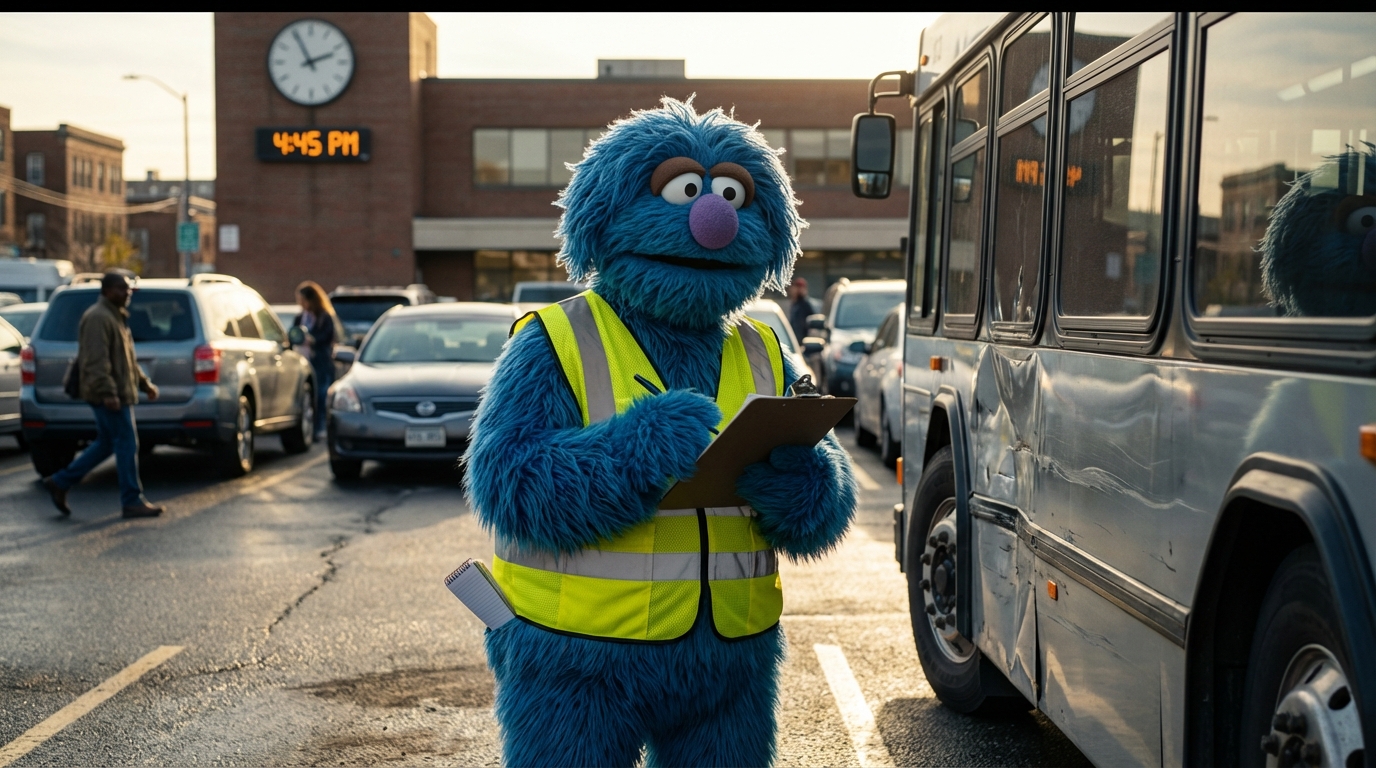
Hit by a Government Vehicle in North Carolina? Why These Accidents Follow a Different Set of Rules
Mar / 2026
Beyond the Criminal: Seeking Accountability Through Negligent Security Claims in North Carolina
Mar / 2026
Measuring the Immeasurable: Seeking Justice for the Loss of a Loved One in NC

Mar / 2026
Securing Your Future: The Vital Role of Life Care Planning in North Carolina Injury Cases

Mar / 2026
The Eggshell Plaintiff: How North Carolina Law Protects You if a Car Accident Worsens a Pre-Existing Condition

Feb / 2026
Crossing the Center Line: Navigating Liability and Recovery After a Head-On Collision in North Carolina

Jan / 2026
The Hidden Financial Costs of a Serious Injury in North Carolina: What Your Personal Injury Claim Can Cover

Jan / 2026
Injured at a Chain Restaurant in North Carolina? Who’s Liable—Franchisee, Franchisor, or Both?
Dec / 2025
How Digital Evidence Can Make or Break Your North Carolina Personal Injury Case
Dec / 2025
Wrongful Death vs. Survival Actions in North Carolina: A Clear Guide for Grieving Families